Johns Island, SC: a local's guide for buyers & sellers
Johns Island is the Lowcountry at its most unhurried: farm fields and centuries-old
live oaks spread between the Stono River and the gate roads to Kiawah and Seabrook
islands. This guide covers the island's character, neighborhoods, commute, dining,
recreation, schools, and the practical notes buyers and sellers ask about most, with
a particular eye on homes that work at every age.
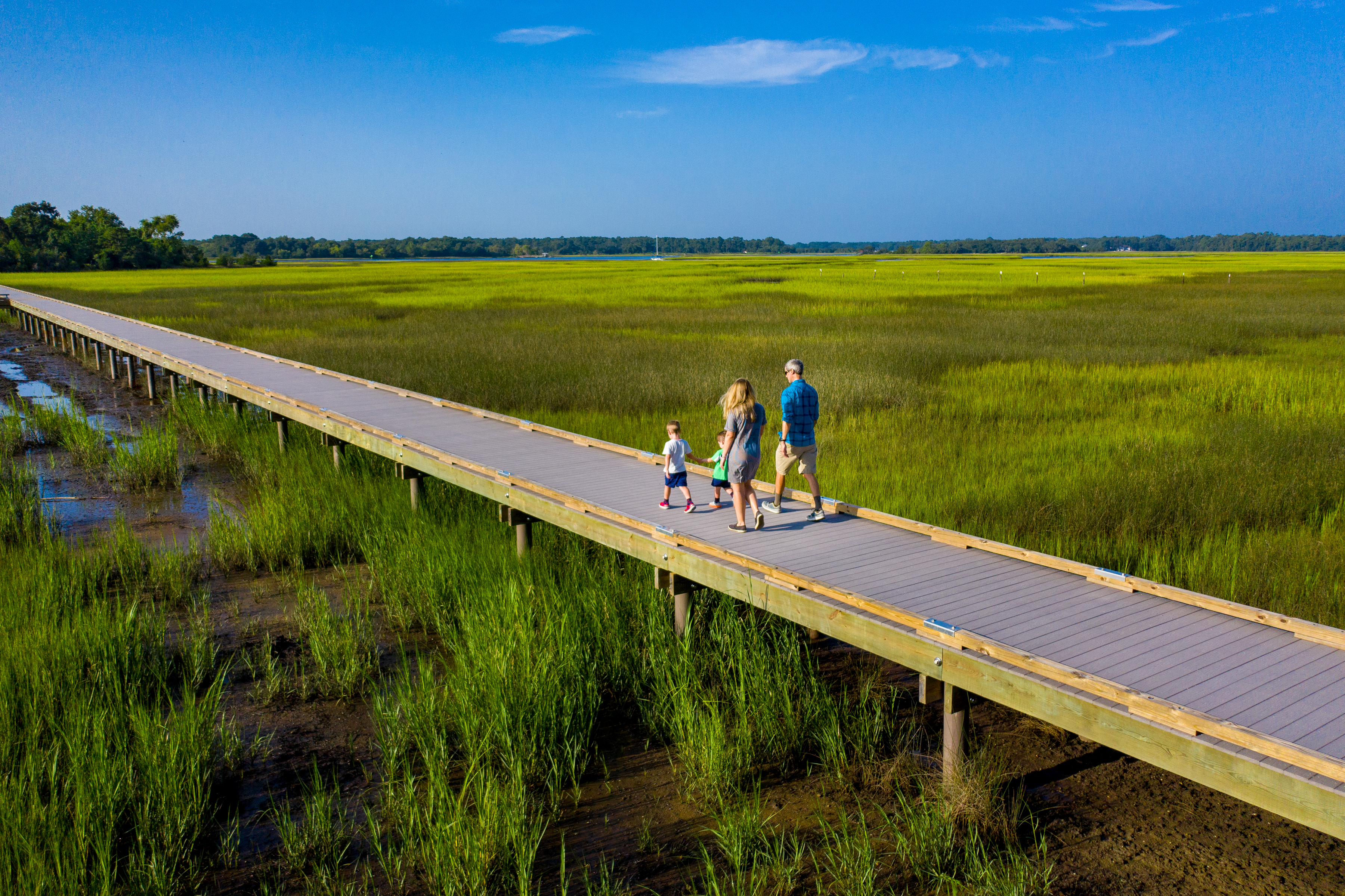
Life on the Johns Island marshNo. 01 · The Local Guide
The Island
What is Johns Island really like?
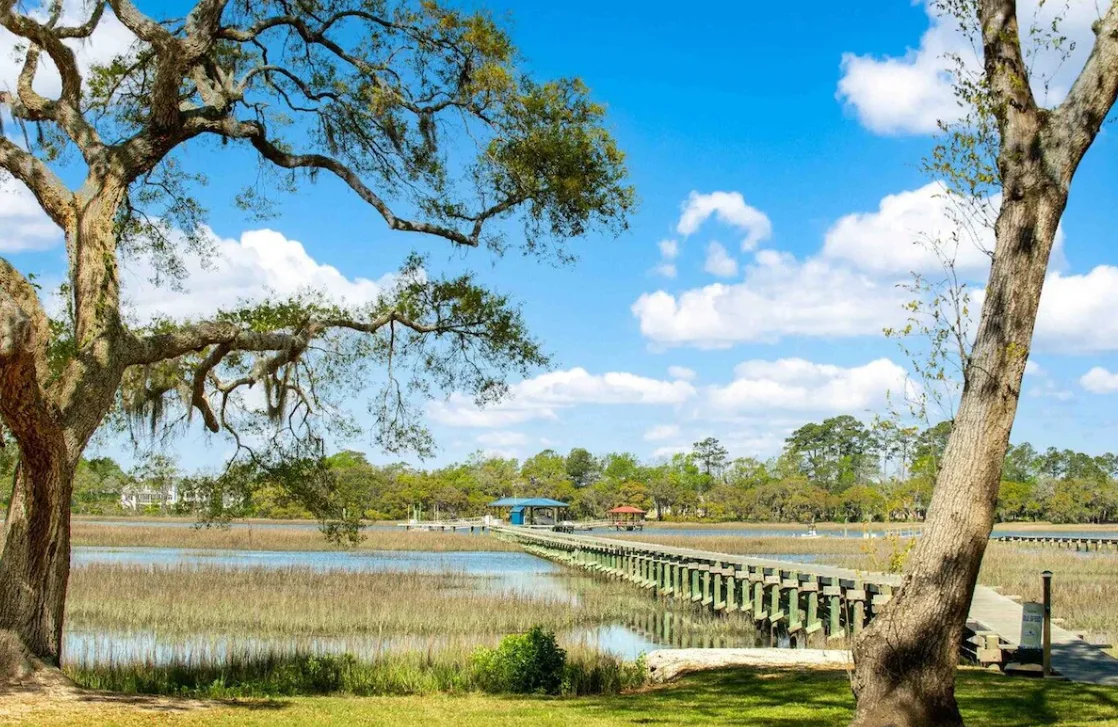
Rural-meets-coastal is the phrase residents reach for. Working farms and live oak
canopies on one side of the road, tidal creeks and boat traffic on the other.
Johns Island is the largest island in South Carolina and one of the largest on the
East Coast, roughly 84 square miles of farm fields, marsh, tidal creeks, and
moss-draped live oaks tucked southwest of the Charleston peninsula. The Stono River,
part of the Intracoastal Waterway, separates it from the mainland and shapes nearly
every view, and the island's agricultural roots run deep: indigo and rice in earlier
centuries, and today working farms, farm stands, and farm-to-table restaurants that
keep the farming character alive.
At the same time, Johns Island is the gateway to Kiawah and Seabrook islands, the
private resort communities reached by roads that thread across the island. That
pairing, quiet farmland next to beach-resort access, is the essence of life here.
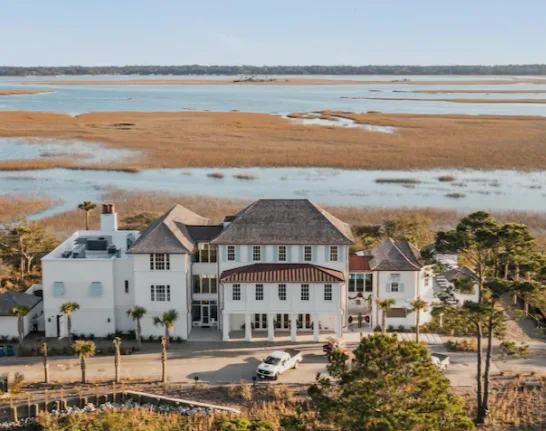
Homes run from modest older houses along Maybank Highway to deepwater estates on the
Stono and Kiawah rivers, so the island meets buyers at many price points and pace of
life.
84 sq mi
The largest island in South Carolina, with more than half its ground left to farms and forest
400-500 yrs
Estimated age of the Angel Oak, the island's most visited landmark
~20 min
Off-peak drive from most of the island to downtown Charleston
The Communities
Where do people live on Johns Island?
Two communities anchor most buyer conversations, and the island around them holds far
more variety than a two-community story suggests.
No. 01 · Community
River Landing
Rural estate living near the Kiawah and Seabrook gates
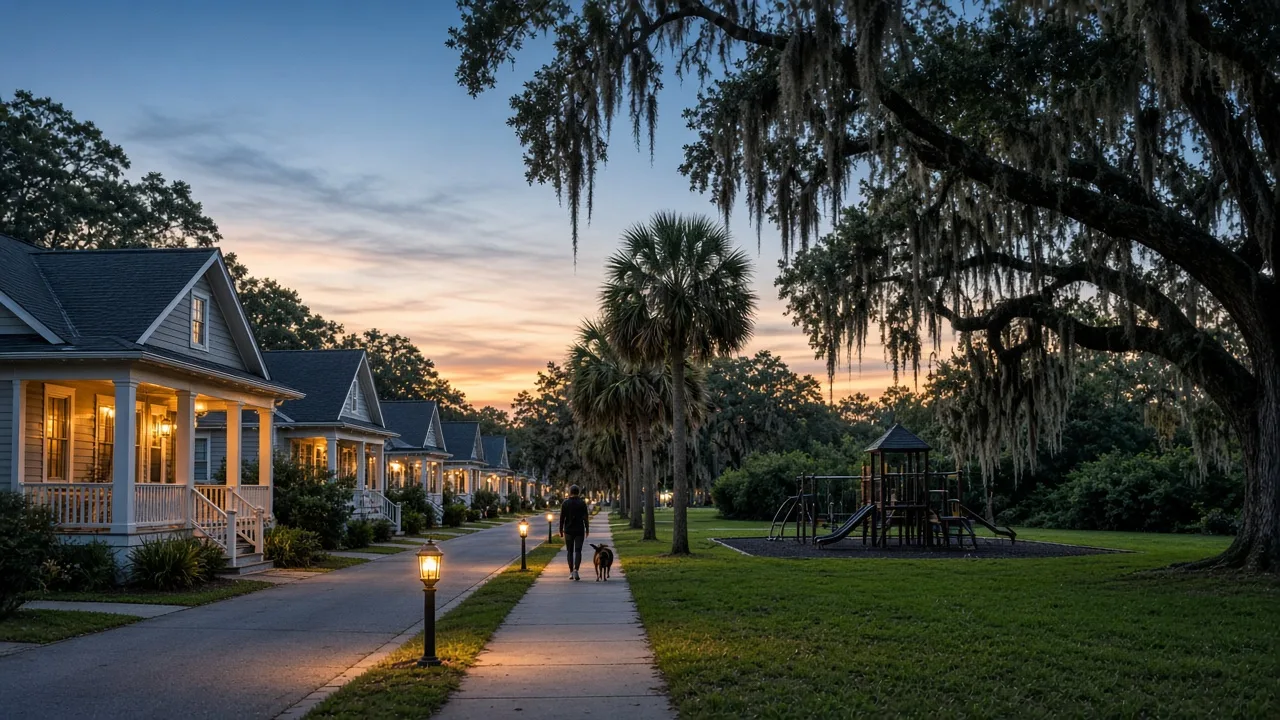
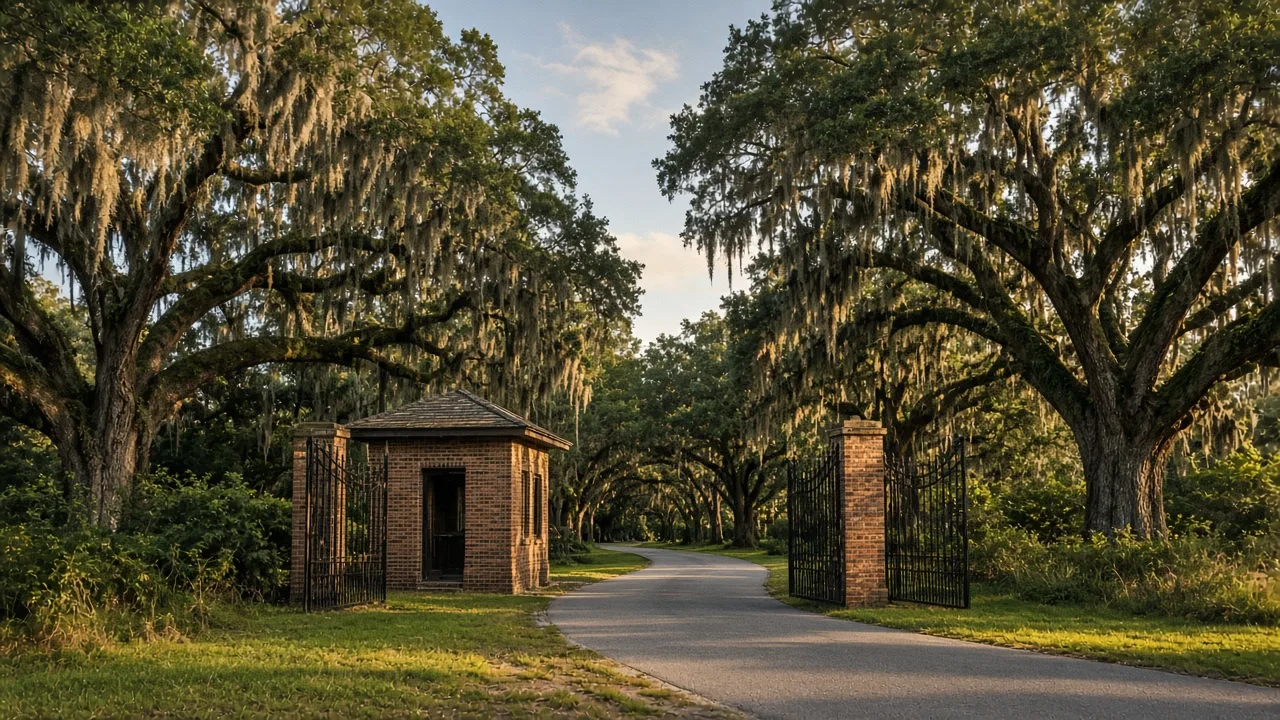
A small, established pocket community tucked between River Road and the gate roads to Kiawah and Seabrook, River Landing holds roughly seventeen home sites, most on two acres or more. It is rural estate living in the truest sense: moss-draped oaks, deep privacy, walking trails, and a quiet neighborhood park, all a short drive from Bohicket Marina and the beaches beyond the gate.
Two-plus-acre sites and real privacy
Established, low-density community
Minutes from Bohicket Marina and the Kiawah and Seabrook gates
No. 02 · Community
Stonoview
Newer riverfront living on the Stono
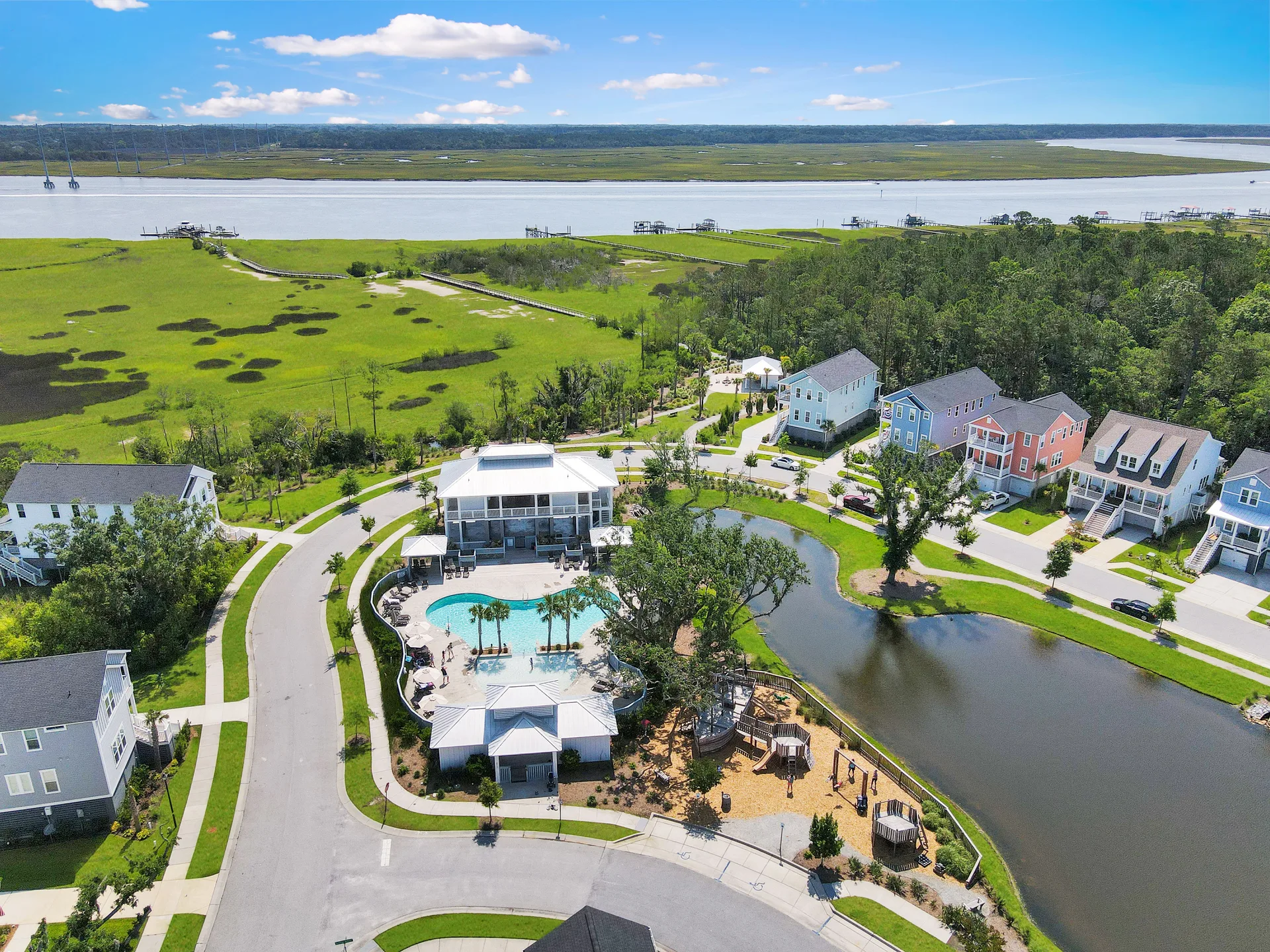
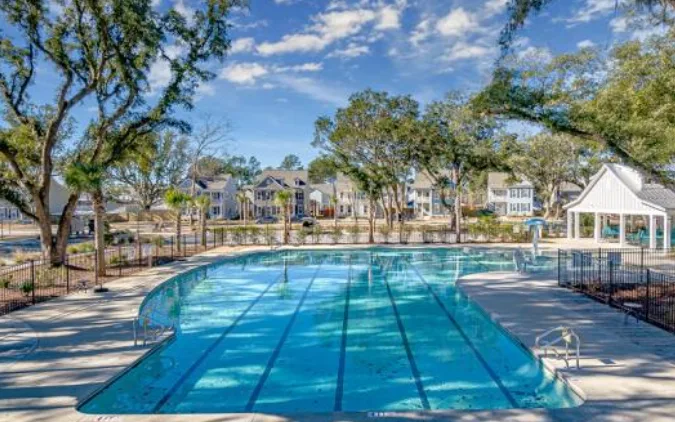
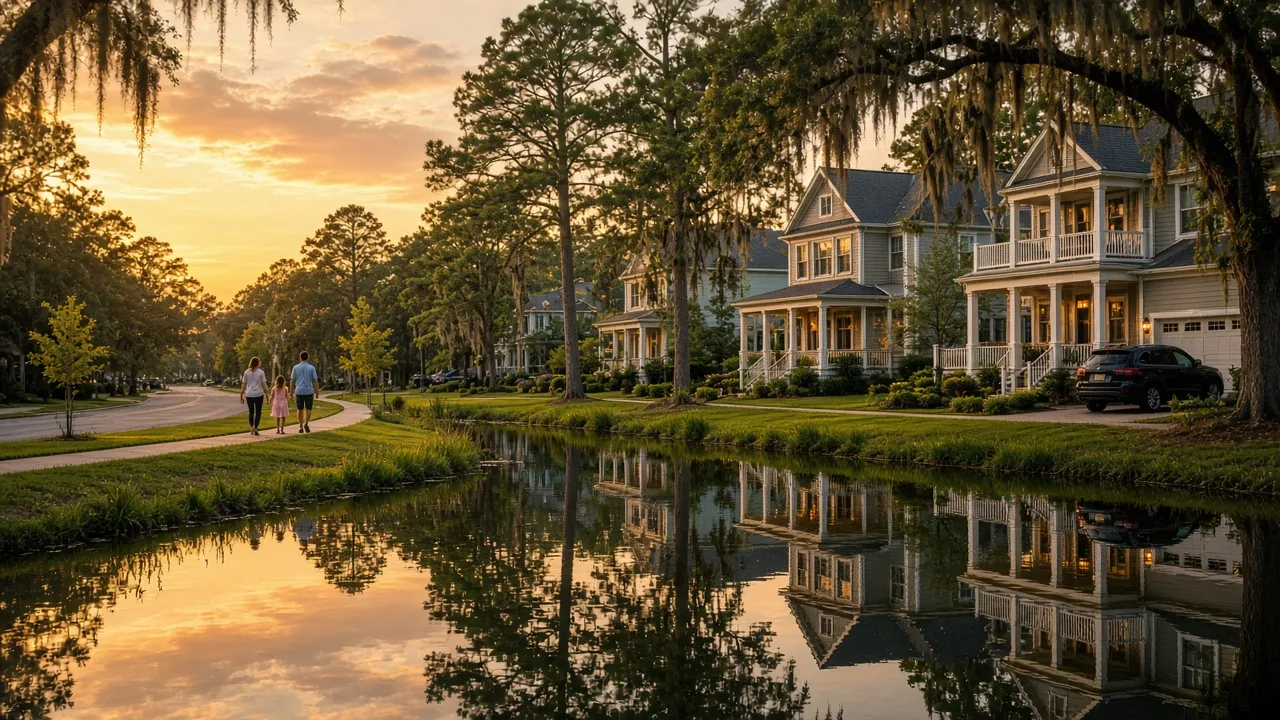
A newer master-planned community on the Stono River, Stonoview pairs modern Lowcountry architecture with a true riverfront setting: deepwater dock access for boaters, a community pool and pavilion, and home sites with tidal views. It is popular with families and boaters who want newer construction without leaving the island.
Deepwater dock and tidal river views
Modern Lowcountry coastal architecture
Community pool, pavilion, and newer construction
More communities
Around these two, the island holds a wide range of settings: gated
Grimball Gates
and
Rushland Landing
along the Stono;
The Preserve at Fenwick Plantation
on historic marshfront ground;
Kiawah River,
an eco-conscious riverfront village with a working farm, community gardens, and trails
near the Kiawah gate; family-friendly Oakfield; and newer, more attainable
neighborhoods such as
Brownswood Village
and
Fenwick Woods.
The Seabrook and Kiawah sides of the island lean toward resort-adjacent living, while
the West Ashley side feels closer to the city, so the same island really does offer
several distinct versions of Lowcountry life.
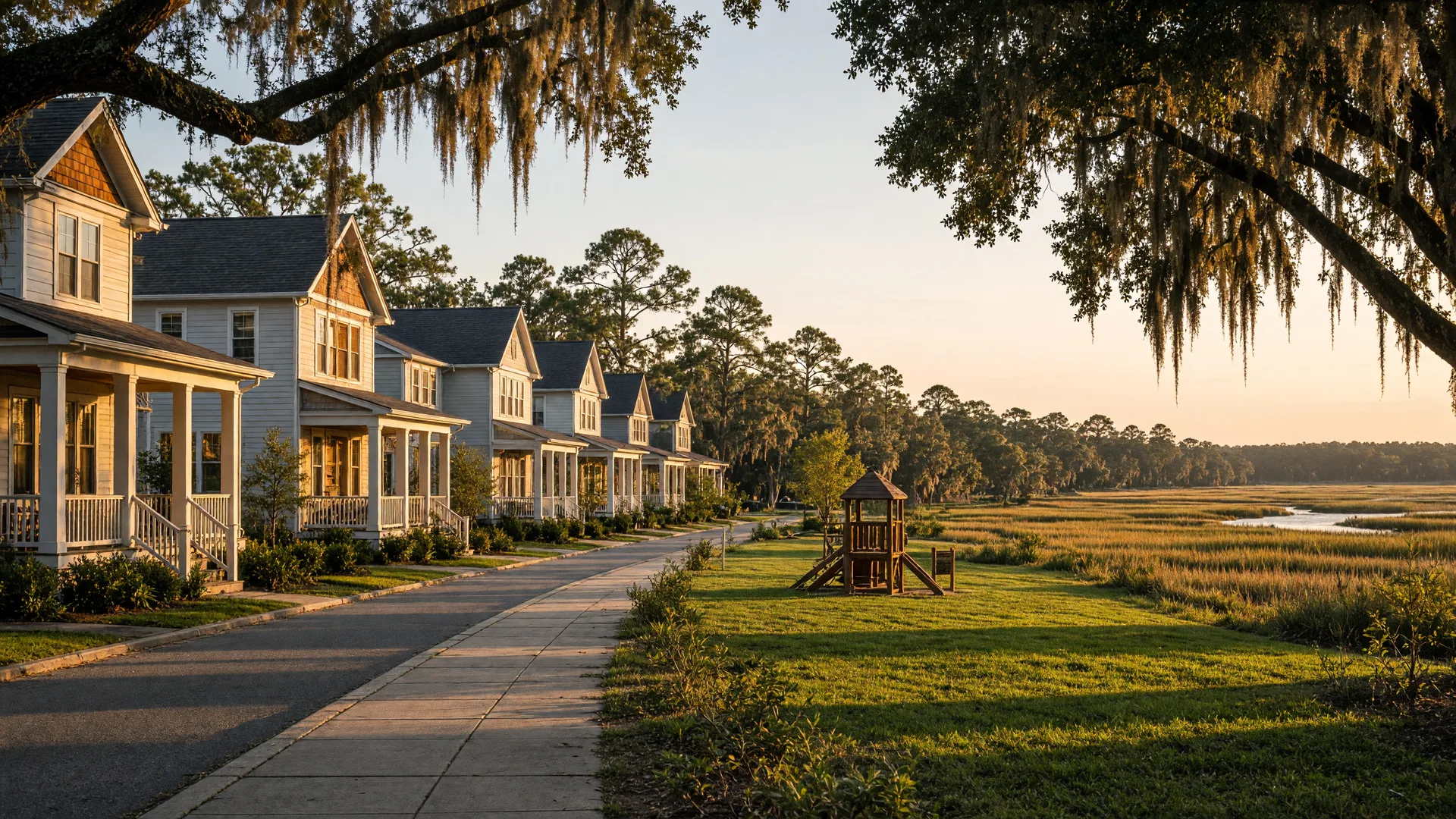
One of the island's newer, more attainable neighborhoods, part of the steady
growth that has made Johns Island one of the Charleston area's fastest-growing
communities.
From the northern end of the island, downtown Charleston is roughly 10 to 15 miles
away, a drive of about 20 minutes off-peak. Maybank Highway, state route 700, is the
island's main artery. It crosses the Stono River to James Island over the Maybank
Bridge, the Paul J. Gelegotis Bridge known to locals simply as the Maybank Bridge,
and continues toward the peninsula via Folly Road or the James Island Connector.
The honest caveat is traffic. Maybank carries nearly all eastbound traffic off the
island and narrows in places, so rush hour is genuinely busier than the off-peak
drive suggests, and the island's growth keeps roads a live topic. Relief is coming in
stages: a "northern pitchfork" cut-through opened in 2024 to pull cars off Maybank,
and county and city projects continue to target capacity and safety on the island's
road network. The practical advice is to test the drive at the times you would
actually make it.
Roads to know
Maybank Highway (SC-700)
The island's main drag, and the way to the Maybank Bridge and the peninsula.
The Maybank Bridge
The Stono River crossing to James Island, a handful of minutes from most neighborhoods.
River Road & Main Road
Interior threads to farms, schools, and the Angel Oak.
Bohicket Road & Betsy Kerrison Pkwy
The routes toward Bohicket Marina and the gates to Kiawah and Seabrook.
The Table
Where do locals eat on Johns Island?
Farm-to-table is the island's food story, and it starts at the farm stands and
markets that have supplied Charleston kitchens for generations. Rosebank Farms Market
near the Kiawah gate, Stono Market & Tomato Shed Cafe on Main Road, and seasonal
stands all over the island sell produce, seafood, eggs, and cheese within sight of
the fields it came from. For years the island's dining anchor was The Fat Hen on
Maybank Highway, a celebrated farm-to-table restaurant that ran for 14 years before
it retired in 2021; the relaxed scene that grew up around it lives on at seafood
restaurants, neighborhood markets, and cafes.
A handful of well-loved spots, in no particular order:
A taste of Wild Olive, a local favoriteNo. 02 · Plate
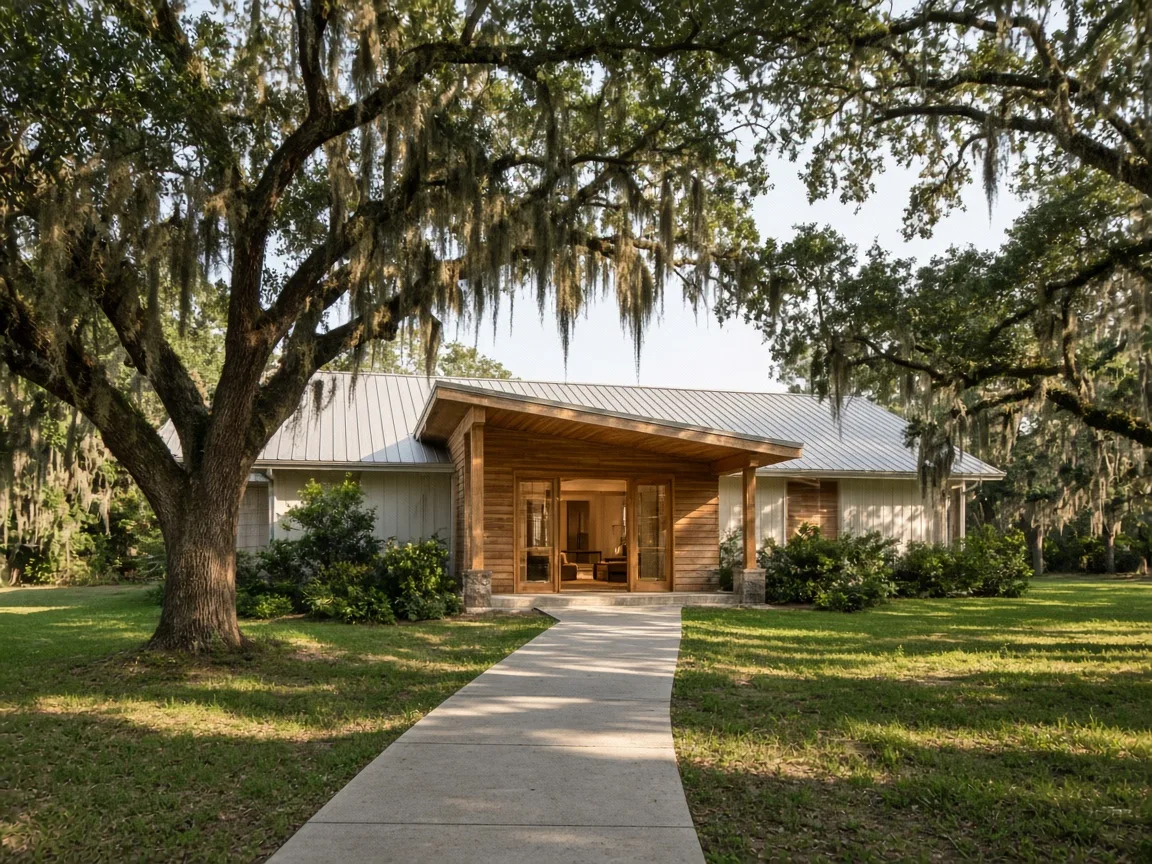
The island's signature silhouetteNo. 03 · Plate
The Outdoors
What is there to do outdoors?
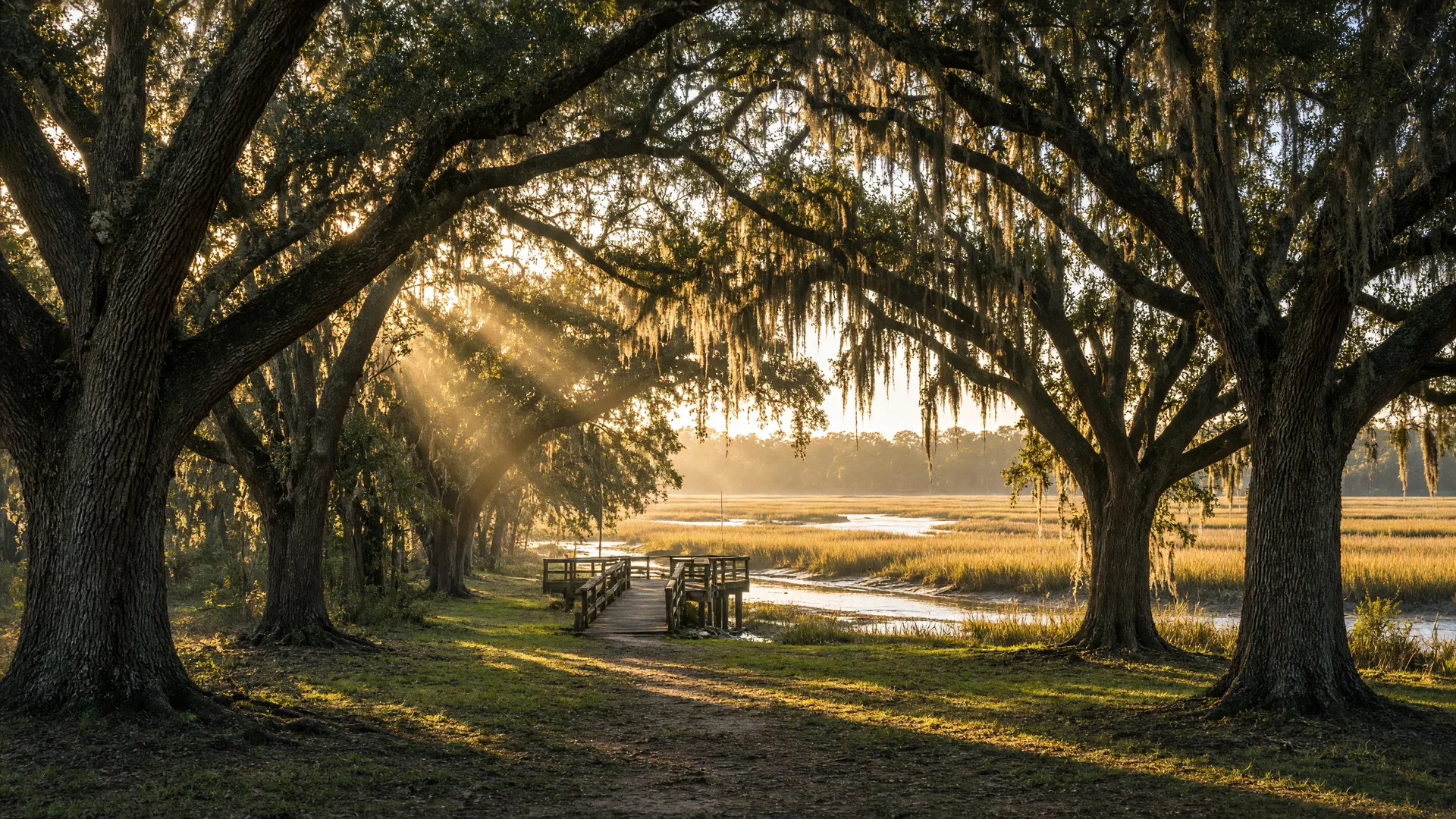
Start with the Angel Oak, the island's most famous resident: a Southern live oak in
Angel Oak Park on Angel Oak Road, estimated at 400 to 500 years old and often called
the largest live oak east of the Mississippi. The free city park draws visitors from
around the world, and locals still stop by for the shade, the moss, and the quiet.
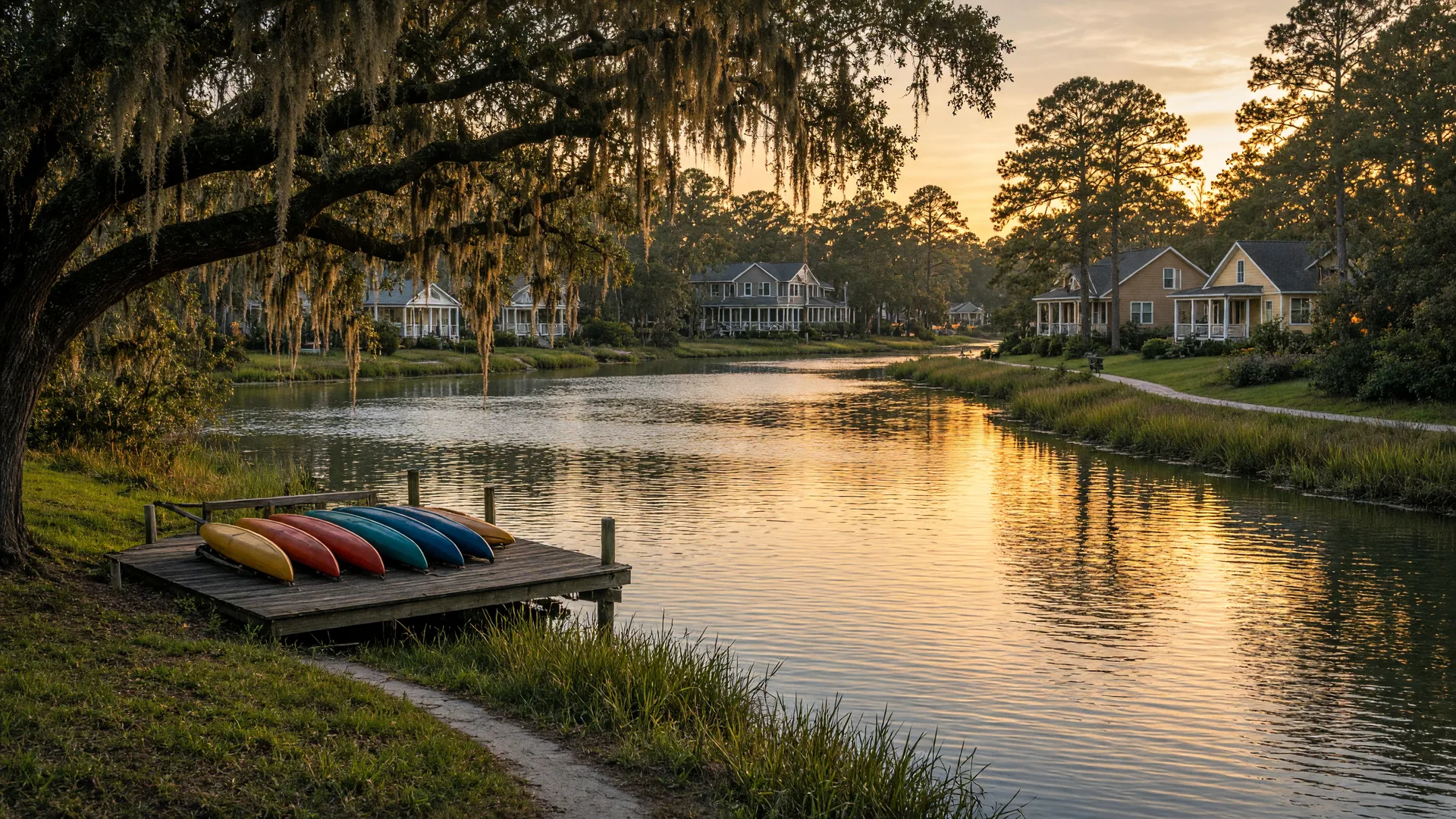
Then get on the water. Bohicket Marina & Market, on Bohicket Creek, is the
island's boating hub: boat and kayak rentals, fishing charters, paddleboard
outfitters, and waterfront dining under one roof. The Stono River, the Kiawah River,
and their tidal creeks offer calm paddling and year-round inshore fishing for redfish
and trout, with bigger offshore charters leaving from the marina too. John P.
Limehouse Landing on Main Road provides public Stono River boat access, Stono River
County Park has a paved walking trail with river views, and the island's oak-lined
paths make for easy, level walks in any season.
A broad, honest read on what homes on the island typically trade for, based on
public listing and sale data. Treat these figures as a guide rather than a quote.
Typical single-family range
$500,000 to $900,000
Most island sales have landed with a median around $615,000 to $700,000 in
recent years; the spread is driven by location, water frontage, and how new the
home is.
Approximate market estimate. Typical range as of late 2026, per public listing
data. Newer riverfront and resort-adjacent communities such as Kiawah River,
Rushland Landing, and The Preserve at Fenwick Plantation run far higher, while
older island homes and townhomes anchor the lower end.
The Community
What schools serve Johns Island?
All of Johns Island sits within the Charleston County School District, and the
island's own schools keep nearly every grade close to home. Families should
confirm current attendance boundaries with the district, since lines can shift as
the island grows.
Community life on Johns Island is built around agriculture and water: farmers
markets on the weekends, oyster roasts in the cooler months, and holiday gatherings
at the island's churches and community centers. The island is one of Charleston
County's fastest-growing areas, drawing both young families and retirees, and
development is a constant topic of conversation, as it is across the Lowcountry.
What holds it together is a fierce shared attachment to the quiet, and the pace of
life that made people move here in the first place.
On the Calendar
Upcoming events on Johns Island
Farmers markets run year-round, the island's Christmas parade rolls down Maybank in
December, and oyster-roast season starts with the first cool nights. Dates and lineups
can shift, so confirm with each organizer before you go.
Event No. 01
Fields Farm Fest
Saturday, Nov 14, 2026, from 1 p.m.
3129 River Road
The farm's second annual family-friendly fall festival: food trucks, contests, crafts, treats, and farm fun on River Road, with $7 admission.
The island's down-home Saturday market: produce from Joseph Fields, Irish, and Thackeray farms, Holy City hydroponic tomatoes, organic meats, plants, and more.
A holiday market of Lowcountry makers and growers set on the island's county park: 100-plus local vendors for holiday shopping, a local-first alternative to the city markets.
Church halls, farm venues, and riverfront properties across the island
Johns Island is oyster-roast country: from late fall through early spring, churches, farm venues, and community groups host all-you-can-eat roasts across the island. Individual roast dates are posted by each organizer as the season rolls out.
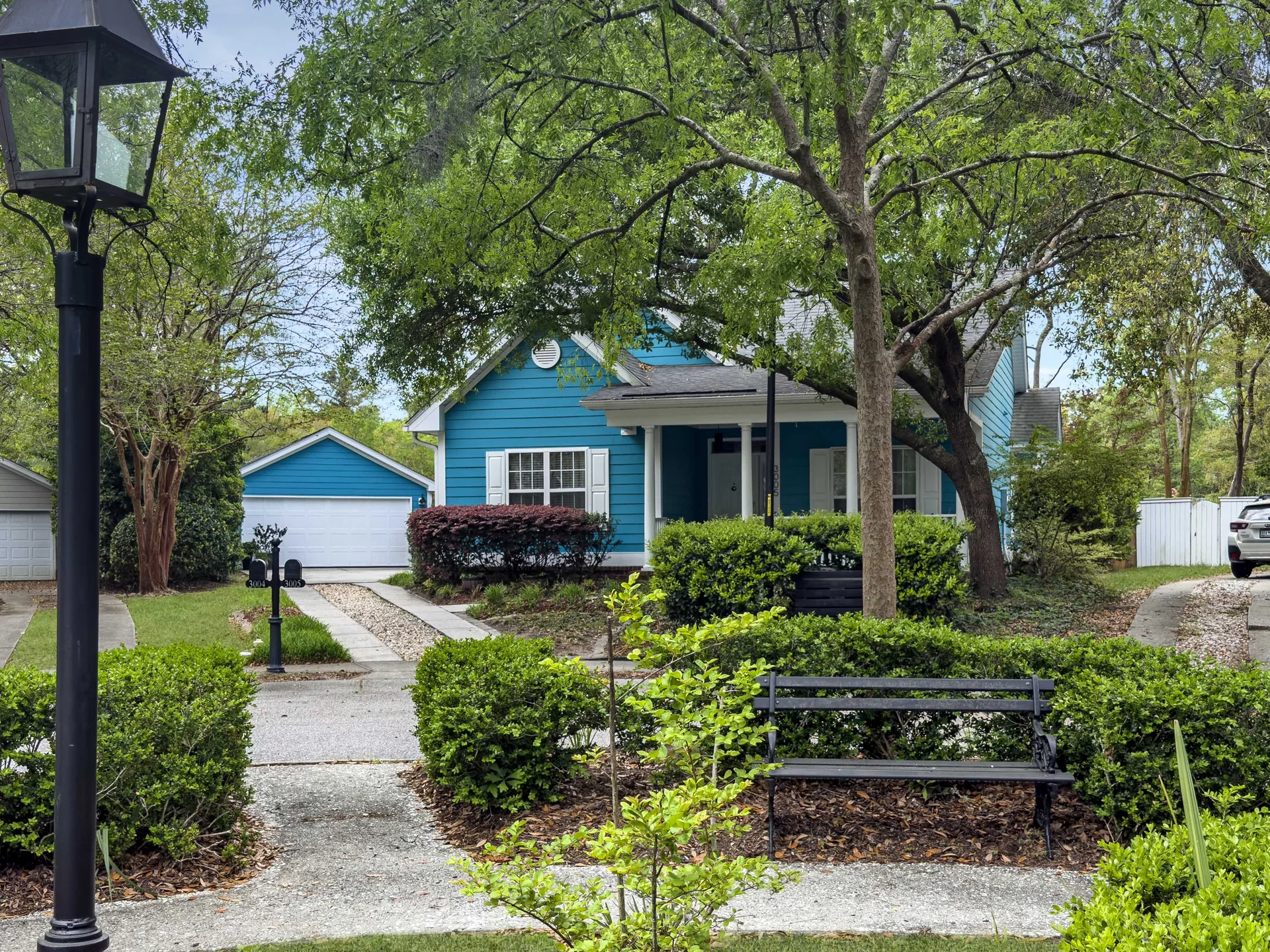
Yes, and the island is genuinely well suited to it. Single-story ranch homes are
common in the older neighborhoods, a rising share of new communities build one-level
floor plans, and the generous lots leave room to add the features that matter without
a full rebuild. That combination, quiet setting plus adaptable homes, is why so many
families look here for a parent's next chapter.
The universal design features that matter most on this island: a step-free entry
(many Lowcountry homes sit on raised foundations, so count the steps to the front
door), a bedroom and full bath on one level, doorways wide enough for a walker or
wheelchair with a 32-inch clear opening as the practical benchmark, lever handles,
curbless or low-threshold showers, good even lighting, and a kitchen that keeps daily
tasks within easy reach.
Care is close at hand, too. MUSC Health runs an emergency room and primary care on
the island, and Roper St. Francis has primary care here as well; the major hospitals
in downtown Charleston and West Ashley are about 20 to 30 minutes away. Assisted
living and skilled nursing options exist on the island, with more in nearby West
Ashley, and Waring Senior Center there offers programs for adults 50 and older. It
is the kind of proximity that lets a family feel connected to care without giving up
the quiet.
One level, no steps, room to liveNo. 04 · Plate
Tapley's lens
Families who look at Johns Island through a universal-design lens often find the
same features support aging today and resale tomorrow. Tapley helps buyers tour
with these questions in hand, and helps sellers spotlight the one-level,
step-free features they already have.
The Fine Print
What should buyers & sellers know first?
Johns Island rewards homework. These six notes come up in nearly every transaction
here, and answering them early saves surprises at the inspection and the closing
table.
No. 01
Flood risk varies lot by lot
The island is laced with tidal creeks and marsh, and FEMA flood maps change parcel to parcel. Homes along the water are commonly elevated; interior neighborhoods sit in lower-risk zones. Always check the flood map for the exact address and ask what flood insurance would cost before you fall in love.
No. 02
Septic and well water are common
Outside the areas served by public water and sewer, homes depend on septic systems and private wells. Plan for an inspection: pump records, permit history, and a water quality test tell the real story of a property.
No. 03
Utility access shapes land value
Two similar lots can have very different development paths depending on whether water and sewer service reach them. Anyone buying land or planning new construction should request a service-availability letter before making decisions.
No. 04
HOA fees vary widely
Assessments range from modest in many established neighborhoods to resort-level in luxury communities, and amenities differ just as much. Compare the whole package, not only the house.
No. 05
Roads are the trade-off
The space and quiet come with a commute that is genuinely pleasant off-peak and genuinely busy at rush hour on Maybank Highway. New cut-throughs and improvement projects are underway, and it pays to test the drive at the times you would actually make it.
No. 06
Growth is real and steady
Johns Island is one of the Charleston area's fastest-growing communities, with new neighborhoods arriving alongside farms that are protected and beloved. The island's character is why people move here, and the community works hard to hold onto it.
The Conversation
Buying or selling on Johns Island? Let's talk.
Whether you are drawn by the farmland, the water, the schools, or a single-level
home that will carry you into the next chapter, Tapley knows this island and the
questions that matter here. Call
843-345-8277
or email
tapley@tapleybaxter.com
to start the conversation.